
What can a companion handle during a hospital visit?
A companion can help keep track of travel, papers and questions. Agree in advance on what the patient wants shared, and check the hospital's own rules for access.
Agree on the role before travel
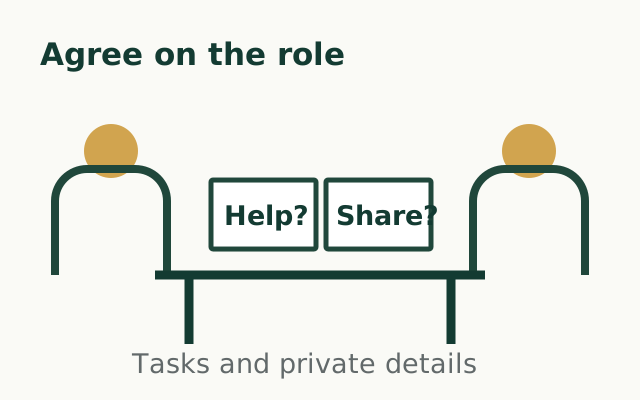
The UK NHS suggests writing two or three priority questions and bringing a friend or family member for support and notes. Ask the visitor which jobs they want you to handle. Finding an entrance, carrying document copies and taking notes call for different levels of access. Write a short list the visitor can change. Decide who holds passports, payment cards and records, and who may see private information. A companion should know how to step back when the visitor wants to speak alone.
Check the hospital's boundaries
Before the visit, ask the named hospital whether a companion may enter the relevant area, whether access changes by department, and what identification it asks visitors to carry. Do not assume that being allowed into a building means being allowed into every consultation or procedure area. If spoken language support is needed, confirm separately whether a companion may interpret or whether the hospital has its own requirements.
Leave with a usable record
During the conversation, the companion can write down the questions asked and where the care team says to find written instructions or visit records. If a name, date or next step is unclear, ask the staff member to repeat it before leaving. Afterward, give the notes to the visitor and keep only what they have agreed you should keep. NHS guidance also suggests checking next steps and their timing before leaving. Leave clinical decisions to the patient and care team.
Before you go
Choose who will keep the question list and next-step notes, and agree which topics the patient wants to discuss alone.
Companion access and information sharing depend on the hospital and the patient.