
Written translation and spoken interpreting do different jobs
Written translation creates a document that can be read later. Interpreting supports a live exchange. Ask separately about the material, people and time involved in each job.
If the information is on a page
The American Translators Association distinguishes written translation from spoken interpreting, and calls the language translated from the source language and the language translated into the target language. Describe the document, its length, language pair and intended reader. Ask whether the work includes a second review, how uncertain handwriting or abbreviations will be marked, and whether the finished copy will keep the original page order. A written translation can help someone read a record before or after a visit, but it does not answer a new question that comes up in the room.
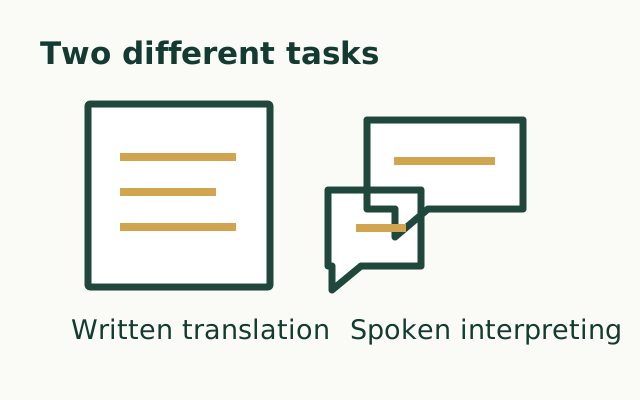
If the information is spoken
Describe the conversation instead: who will speak, whether the interpreter must attend in person or remotely, the expected time, and any likely changes of location. Ask who will arrange access to the conversation and how extra time would be priced. If you expect forms or discharge papers to need written work afterward, list those as a separate deliverable rather than assuming they are included.
Decide what you need to keep afterward
A translated page and an interpreted conversation can leave different records. Ask who will keep the written translation, whether you may receive a copy of any notes, and how you can check a name or date that seems wrong.
If a choice about care is unclear, ask the clinician to explain it again through the appropriate language support. The interpreter conveys the exchange; the clinical decision belongs with the licensed care team and patient.
Before you go
Write down the documents and conversations you expect, then request separate scopes for written translation and live interpreting.
Confirm language support and interpreter access for the exact visit.